Known-Good Posts: A Canary Protocol for Auditing Social Listening Coverage
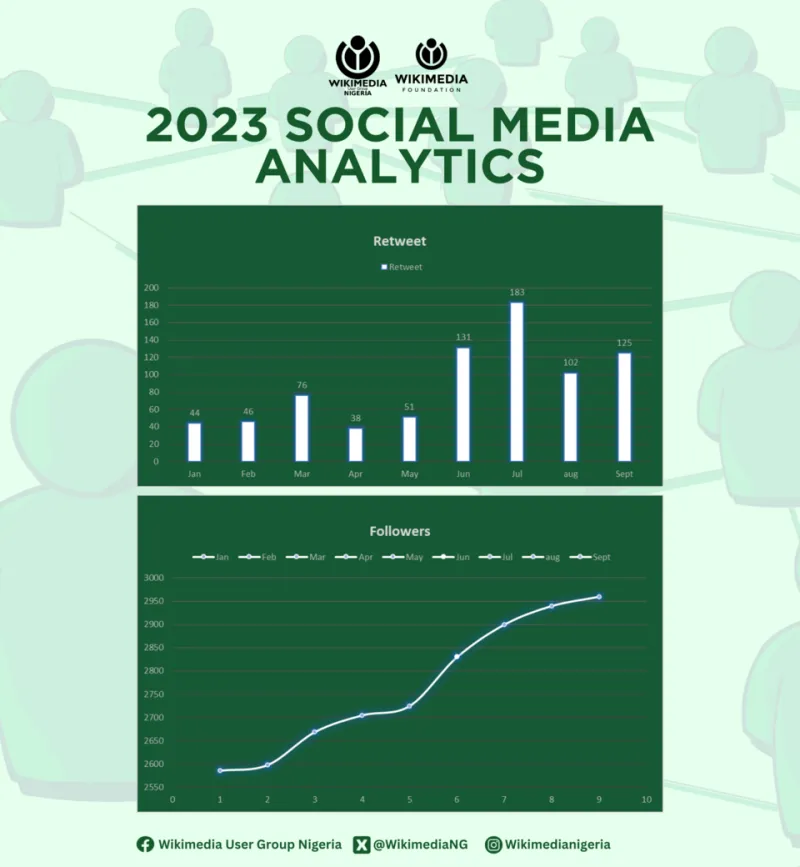
Photo: Olaniyan Olushola, CC BY-SA 4.0, via Wikimedia Commons
Most social listening dashboards are judged by what they show. A brand sees a spike, a sentiment line, a share-of-voice chart, and assumes the underlying feed is complete. That assumption is rarely tested. The result is a measurement stack that can be fast, polished, and still blind to the posts a campaign actually generated.
A known-signal test changes the question. Instead of asking whether the dashboard looks plausible, it asks whether the system can find, classify, and report a set of posts whose sentiment, timing, and geography are already known. Think of these posts as feed canaries: small, low-risk signals planted where the listening system should see them. If the canary disappears, the problem is not the market. It is the instrument.
Why Coverage Needs a Controlled Input
Social listening platforms are sampling machines. They do not read the whole social web; they read what their crawl, partnerships, keywords, and models allow them to read. That sampling is usually invisible to the marketer. A dashboard may show a clean trend for a product launch in Texas while missing a meaningful cluster of posts from a private Facebook group, a niche subreddit, or a TikTok sound that has not yet entered the vendor's index.
The canary protocol does not solve sampling bias by itself. It makes coverage measurable. By publishing owned, disclosed test posts with known properties, a brand creates a reference set against which the listening system can be checked. The goal is not to game the platform or manufacture engagement. It is to verify that the instrument can detect a signal the brand already knows exists.
Designing a Low-Risk Canary Set
The test should be small, transparent, and operationally boring. A set of ten to twenty posts is usually enough for a first diagnostic. Use owned accounts or approved community spaces, and coordinate with legal, community management, and platform representatives where required. Label each post plainly as a diagnostic test, not as customer feedback or product news. The label protects the audience and prevents the test from contaminating organic brand sentiment.
A useful canary set varies four dimensions:
- Sentiment: include clearly positive, clearly negative, and neutral posts. Avoid sarcasm, slang, and ambiguous humor in the first round; the purpose is to test the instrument, not the model's cultural range.
- Timing: publish across known windows, including morning, evening, and weekend slots in US Eastern, Central, Mountain, and Pacific time. Record the exact publication time to the minute.
- Geography: use geo-tagged or explicitly location-referenced posts from several US markets. Do not rely on IP inference alone; state the location in the post where platform norms allow.
- Platform: distribute the set across TikTok, Reddit, and X. Each platform has different ingestion paths, so a single-platform test can create false confidence.
On Reddit, use an owned community or secure moderator permission before posting. On TikTok and X, use brand-owned handles with a clear test label. Keep the posts low-risk: no product claims, no pricing, no health or financial statements, and no calls to action that could be mistaken for a campaign.
The Three-Way Comparison
After publication, compare three layers of the listening system: capture, classification, and reporting. Capture asks whether the post entered the dataset at all. Classification asks whether the system assigned the correct sentiment, topic, and geography. Reporting asks whether the post appeared in the dashboards, alerts, and exports that marketers actually use.
This three-way comparison prevents a common error. A platform may ingest a post but misclassify its sentiment. Or it may classify the post correctly but fail to surface it in a campaign dashboard because of a keyword filter, date-range setting, or language rule. The canary test separates ingestion failure from reporting failure, which makes remediation far more specific.
A Coverage-and-Latency Scorecard
Run the test as a scorecard, not a pass-fail exercise. The following measures are practical for a US marketing team:
| Measure | What it reveals |
|---|---|
| Capture rate | Percentage of canary posts found by the listening tool |
| Sentiment accuracy | Share of posts classified with the intended polarity |
| Topic accuracy | Share of posts assigned to the correct product or campaign theme |
| Geo accuracy | Share of posts attributed to the intended US market |
| Median latency | Typical time from publication to first appearance in the tool |
| P95 latency | Worst-case delay for the slowest canary posts |
| Duplicate rate | Share of canary posts counted more than once |
| Deletion lag | Time for removed canary posts to disappear from reports |
A brand does not need perfect scores. It needs to know where the instrument is weak. If TikTok capture is strong but Reddit capture is uneven, the team can adjust its listening plan or qualify Reddit-based conclusions. If median latency is acceptable but P95 latency is measured in days, real-time alerting should not be used for that platform without a caveat.
Running the Test Before Campaign Judgment
The most valuable time to run a canary test is before a campaign, not after a disappointing report. Establish a baseline while social chatter is quiet, then repeat the test during a known event or launch window. The comparison shows whether coverage and latency hold under load.
Treat the scorecard as part of measurement hygiene. Repeat it quarterly, after platform API changes, and whenever a new listening vendor or dashboard is introduced. Document the canary posts, the expected outcomes, and the observed results in a shared measurement log. That log becomes institutional memory: it tells future analysts which platforms, markets, and report views can be trusted for which decisions.
Social data is only as useful as the instrument that collects it. A canary protocol does not make a listening stack perfect. It makes its blind spots visible, which is the necessary first step toward making better campaign judgments.